As an Amazon Associate, we earn from qualifying purchases. Some links on this site are affiliate links at no extra cost to you. Our recommendations are based on thorough research and editorial judgment.

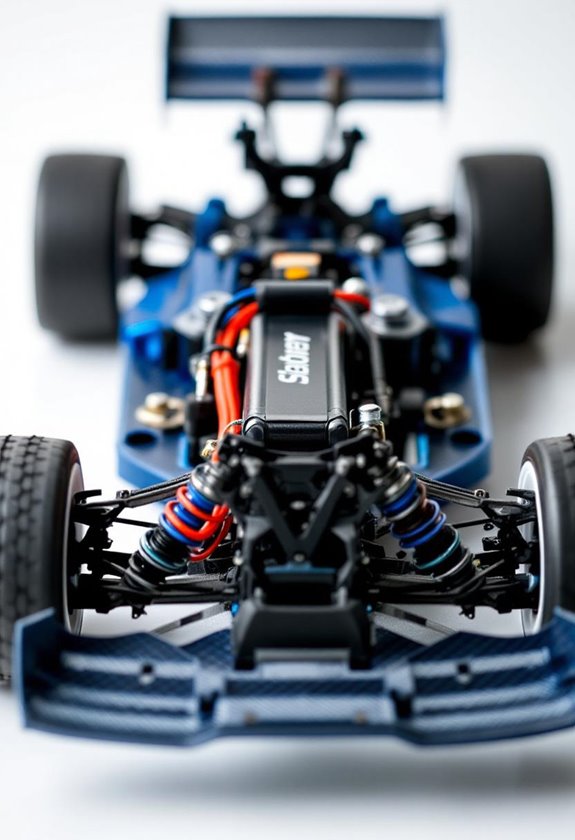
Do Touring Cars Use Shorty LiPos?

Yes, touring cars often use shorty LiPo batteries due to their compact size and impressive performance. These batteries typically come in a 2S configuration, providing stable voltage from 7.4V to 7.6V. With capacities ranging from 5000mAh to 6600mAh, they balance runtime and weight effectively. This design helps improve weight distribution, enhances handling, and maintains peak power during races. Want to know more about their specific advantages or which models are popular among racers?
Key Takeaways
- Yes, touring cars often use shorty LiPo batteries for their compact size and high energy density.
- Shorty LiPos improve weight distribution, enhancing grip and handling during racing.
- These batteries typically feature a 2S configuration, fitting well within touring car specifications.
- High discharge rates in shorty LiPos support consistent power delivery during aggressive driving.
- Many reputable models are specifically designed for racing, ensuring optimal performance and safety.
Advantages of LiPo Batteries in Touring Cars
You may be interested



When we consider the advantages of LiPo batteries in touring cars, it’s evident that they bring a host of benefits to the table. Their high energy density allows for more power storage in a smaller size, leading to improved battery longevity. We can store energy without considerably increasing the car’s weight, optimizing performance and balance. Additionally, high-speed capabilities enable competitive racing vehicles to maintain peak power throughout the race.
Additionally, LiPo batteries excel in charging efficiency, meaning they charge quickly and effectively. This is essential during race preparation. They provide consistent voltage output, maintaining stable performance and preventing voltage sag. This reliability allows us to deliver peak power when needed, ensuring responsive acceleration. In competitive racing, these features contribute to better handling, faster lap times, and overall superior performance on the track.
Specifications of Shorty LiPo Batteries

Shorty LiPo batteries are designed specifically for touring cars, and they offer unique specifications that make them a popular choice among racers. These batteries typically come in shorty dimensions, around 95mm in length, making them easier to fit and balance in compact chassis.
- Voltage: They feature a 2S configuration with voltages between 7.4V and 7.6V.
- Battery Capacity: Capacities range from 5000mAh to 6600mAh, balancing runtime with weight. A 5000mAh pack can deliver 8-12 minutes of driving under aggressive conditions. Additionally, the use of advanced battery management systems in these batteries promotes optimal power and longevity.
In short, the combination of size and battery capacity allows for effective performance, enhancing our racing experience while maintaining essential balance in our touring cars. Wouldn’t you agree these specs are essential for competitive racing?
Weight Distribution and Handling Benefits
Understanding how weight distribution affects our touring cars can drastically improve our racing performance. When we use Shorty LiPos, we’re not just saving weight; we’re gaining flexibility in balance. Here’s how:
- Precise Weight Placement: We can slide the battery in the tray, optimizing the front/rear balance for grip and steering based on track conditions.
- Lower Center of Gravity (CoG): Shorty packs are typically shorter, which enhances stability in high-speed cornering. Predictable handling leads to better lap times.
- Reduced Overall Mass: Being about 50 grams lighter, they improve acceleration and braking, making our cars more responsive during races. Additionally, the use of metal drivetrains in high-performance RC cars ensures enhanced durability and responsiveness, further improving overall performance.
Safety Considerations for LiPo Usage
While we enjoy the performance and handling benefits of Shorty LiPos in our touring cars, we also need to think about safety. LiPo batteries come with fire risks if not handled properly. Here are some safety tips:
- Charging safety: Always use LiPo-specific chargers. Charging outside the vehicle reduces potential fire hazards.
- Monitor while charging: Never leave batteries unattended; this helps catch any issues early on.
- Balance charging: This technique prevents overcharging, a common cause of fires.
Additionally, avoid puncturing or damaging the batteries, and store them on non-combustible surfaces. Remember, if a fire ignites, it can reignite later due to residual heat. Also, understanding the importance of battery specifications will help you make informed decisions regarding safety measures. We all want to enjoy our racing experience without the worry of fire hazards!
Popular Shorty LiPo Models for Racing
When we think about upgrading our touring car’s performance, choosing the right LiPo battery is vital. Here are five popular shorty LiPo models that many racers trust:
- Trinity 7.6V 6400mAh 2S 130C: High capacity and decades of racing design backing.
- ProTek RC 2S 130C Si-Graphene: Ultra-low center of gravity for stability and fast discharge.
- Exalt X-Rated 2S 135C: Durable with consistent power delivery.
- Tekin Titanium Power Cell: Integrates cutting-edge technology for superior output.
- CNHL: Offers a range of shorty and stick batteries tailored for major brands.
Effective battery maintenance is essential, especially considering voltage importance. A well-maintained battery guarantees we keep consistent power through our races. Brushless motors, which are becoming increasingly popular among racers, can greatly benefit from the right battery selection. Choosing the right battery can make all the difference.
Performance Enhancements With High C Ratings
Upgrading to a high C rating LiPo battery can greatly enhance our touring car’s performance. With improved voltage stability under load, we experience less voltage sag during intense races. This means our motor maintains RPM, leading to better power output when we need it most, especially during quick accelerations or tight corners.
Some key benefits of higher C ratings include:
- Instant power delivery: This allows us sharp, aggressive acceleration.
- Lower internal resistance: We lose less energy as heat, improving efficiency and extending battery life.
- Consistent performance: Maintaining voltage throughout our run keeps us predictable on the track. Furthermore, utilizing advanced control features allows for even greater customization to suit specific racing conditions.
Compatibility With Motors and ESCS
Battery Size: Shorty LiPos, typically around 95mm in length, balance physical size and capacity while guaranteeing proper weight distribution. Their compatibility with motors and ESCs is vital for performance. Here’s what we need to know:
- Connector Types: Standard 5mm bullet connectors guarantee low-resistance connections, while JST-XHR plugs are common for charging.
- Voltage Profiles: Most run at 2S (7.4V); however, some LiHV variants offer 7.7V, requiring careful ESC matching.
- Discharge Rates: Packs with high C ratings reduce voltage sag, aiding in motor torque and ESC cooling.
- ESC Settings: Proper programming aligns throttle curves and timing for smooth power delivery.
Choosing the Right Battery Configuration for Your Touring Car
How do we choose the right battery configuration for our touring cars? We’ve got a few factors to take into account here.
- Battery Types: LiPo batteries are popular due to their energy density. We need to balance size and weight. Larger cells provide more power but can weigh us down.
- Charging Methods: Using a balance charger is essential. It prevents cell imbalances and maximizes battery life. Remember, charging at 1C is ideal to avoid quick degradation.
- Voltage and Capacity: We should verify our battery voltage matches the motor’s requirements while taking into account pack capacity. A 5000mAh pack typically grants us 15 to 30 minutes of runtime.
Ultimately, it’s about finding the perfect mix of performance, safety, and efficiency for our racing experience.
Frequently Asked Questions
How Long Does a Shorty Lipo Battery Typically Last During Races?
Shorty LiPo batteries typically last about 6 to 10 minutes during races. We find that battery longevity greatly impacts racing performance, so managing our usage and conditions can help us maximize that precious runtime.
Can I Charge Shorty Lipos With a Regular Lipo Charger?
Yes, we can charge shorty LiPos with a regular LiPo charger, provided we use correct charging techniques and guarantee battery compatibility by matching cell count and settings to avoid overcharging or damaging our packs.
What Tools Do I Need for Maintaining Shorty Lipo Batteries?
For effective battery maintenance, we’ll need essential tools like needle nose pliers, a soldering iron, voltage checkers, and fireproof storage cases. These tools guarantee our shorty LiPo batteries remain safe, functional, and organized during use.
Can Shorty Lipos Be Used in Other RC Vehicles?
Absolutely, shorty LiPos offer great compatibility with various RC vehicles. Their lightweight design boosts performance across multiple models, enhancing agility and stability, making them a versatile choice for improving overall RC vehicle performance.
How Do I Dispose of Old Lipo Batteries Safely?
When our old LiPo batteries resemble ticking time bombs, we can safely dispose of them by tapping into local recycling programs. Prioritizing battery safety protects us and the environment from potential hazards lurking within.