As an Amazon Associate, we earn from qualifying purchases. Some links on this site are affiliate links at no extra cost to you. Our recommendations are based on thorough research and editorial judgment.

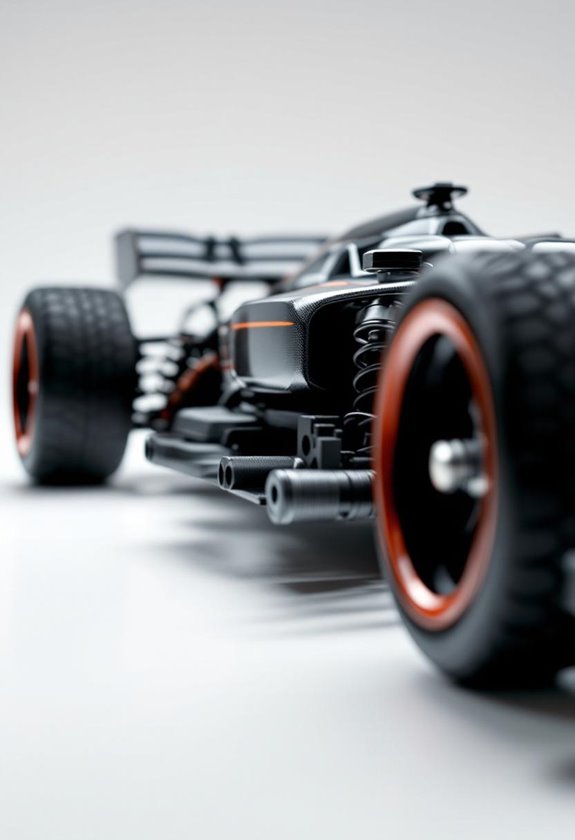
What Wheel Offset For Touring?

When choosing wheel offset for touring vehicles, we should aim for a moderate positive offset. This helps maintain vehicle stability and steering precision while enhancing comfort. A positive offset aligns the wheel closer to the hub and reduces issues like tire wear. We recommend a minimum of 2mm clearance for smooth brake operation. This balance is essential for daily driving. Curious about how suspension modifications might affect your choices? Let’s explore that further!
Key Takeaways
- For touring vehicles, a moderate positive offset is recommended to ensure stability and comfort during long drives.
- Proper offset helps maintain wheel alignment, reducing excessive tire wear and enhancing handling precision.
- A minimum clearance of 2mm between spokes and calipers is essential for safe brake operation.
- Avoid excessive offsets, as they can impact suspension performance and overall vehicle dynamics.
- Adhering to factory offsets helps maintain handling balance while improving ease of steering for daily driving.
Understanding Wheel Offset
You may be interested



When we investigate understanding wheel offset, it’s vital to grasp what it really means and why it matters. Wheel offset is defined as the distance between the wheel’s mounting surface and its centerline, measured in millimeters. These offset measurements can be positive, negative, or zero.
- Positive offset means the mounting surface is closer to the wheel’s front face.
- Negative offset positions it closer to the back.
- Zero offset aligns it perfectly with the centerline.
Why should we care? The correct offset guarantees enough clearance between the wheel, suspension, and body components. An incorrect offset can lead to issues like rubbing against fenders or suspension parts, affecting both functionality and safety. Understanding these definitions is vital for vehicle performance. Additionally, wheel performance metrics can influence how effectively a car handles various terrains during racing.
Types of Wheel Offset

Understanding the different types of wheel offset helps us make informed choices for our vehicles. Here’s a quick breakdown of the main types:
- Zero Offset Wheels: The mounting surface aligns perfectly with the wheel centerline, providing a balanced look that’s popular with widebody modifications for that concave aesthetic.
- Positive Offset Wheels: The mounting surface is closer to the outside, which can enhance stability but may cause rubbing issues if excessive.
- Negative Offset Wheels: These extend outward for a more aggressive stance, favored in custom projects, but can stress suspension if pushed too far.
- Multi-Piece Wheels: These allow for customizable offset and are perfect for performance touring needs. Additionally, understanding durability and performance capabilities can significantly guide your selection for optimal touring setups.
Importance of Proper Offset for Touring Vehicles

Proper wheel offset is vital for guaranteeing our touring vehicles handle well and remain safe on diverse road conditions. A proper offset keeps our wheels aligned, which results in better vehicle stability and improved wheel performance. When the offset is incorrect, we may face issues like reduced handling precision and excessive tire wear.
- Proper offset assures clearance from brake components, preventing damage and maintaining braking efficiency.
- It also guarantees a balanced load distribution, reducing strain on the suspension.
These factors not only enhance comfort but also prevent vibrations that can lead to driver fatigue. Additionally, advanced servo systems can further improve control precision, ensuring that your touring vehicle is responsive and stable in various driving conditions. So remember, selecting the right offset is vital for a smooth and safe touring experience, keeping our trips enjoyable and worry-free.
How Positive Offset Affects Performance

Although we often think of aesthetics when choosing wheels, understanding how positive offset affects performance is essential for our touring experience.
- Stability at Speed: The positive offset aligns the wheel closer to the hub, improving stability at higher speeds.
- Handling Dynamics: It maintains predictable steering and reduces lateral load during cornering, enhancing performance tuning.
- Scrub Radius: A decrease in scrub radius means less steering kickback, which increases road feedback for better driver awareness.
However, we must consider that excessive positive offset can hinder sharp maneuverability. Overall, the right positive offset preserves our vehicle’s suspension geometry, ensuring enhanced control, ride comfort, and longer-lasting tires. This balance allows us to enjoy both aesthetic appeal and practical performance benefits on our touring adventures. Additionally, understanding tire maintenance is crucial for ensuring optimal performance of your wheels on the road.
The Role of Negative Offset in Vehicle Handling

When it comes to touring, wheel offset plays a pivotal role in how our vehicles handle various road conditions. Negative offset has several advantages:
- Increased Stability: It enhances lateral stability during cornering by widening our vehicle’s track.
- Better Grip: A wider stance improves traction on uneven terrain.
However, there are significant negative offset disadvantages to evaluate:
- Unstable Feeling: Excessive offset can lead to a “tippy” sensation due to an unfavorably shifted center of gravity.
- Steering Challenges: Increased scrub radius can make steering heavier, especially at low speeds.
Additionally, the choice of wheel offset can impact the vehicle’s overall features and appeal, affecting performance and stability during high-speed sessions.
Zero Offset: What It Means for Your Wheels
Zero offset wheels sit perfectly at the center of the vehicle’s width, giving us a balanced and neutral stance. This alignment, denoted as “ET 0,” offers several zero offset benefits. For example, the wheels sit flush with the fender line, enhancing aesthetics while minimizing the risk of tire rubbing. They also maintain the manufacturer’s intended handling characteristics, allowing for better performance.
However, there are zero offset drawbacks. If we don’t check compatibility, these wheels can still cause handling issues or clearance problems. Additionally, zero offset isn’t as common in modern vehicles, making finding suitable options more challenging. Overall, while zero offset can create a striking look, thorough consideration and professional consultation are essential for a smooth fit. In the world of RC cars, durable construction is crucial to withstand diverse terrains and maintain performance.
The Relationship Between Offset and Suspension Geometry
Understanding the relationship between wheel offset and suspension geometry is crucial for any touring enthusiast looking to enhance vehicle performance. Wheel offset directly influences how the wheels align with the suspension components. Here are some key points:
- Scrub Radius: It alters the steering feel; a lower offset can enhance grip but may affect handling characteristics if extreme.
- Track Width: Lower offsets widen the track, improving lateral stability, yet excessive width may stress suspension parts.
- Suspension Geometry: Correct offset guarantees the suspension dynamics are maintained, preventing uneven tire wear.
Effects of Incorrect Offset on Handling and Safety
Incorrect wheel offset can greatly impact a vehicle’s handling and safety, so addressing this issue is essential for any touring enthusiast.
- A wrong offset shifts the center of gravity, leading to instability during cornering and high speeds.
- Excessive positive offset reduces stability and increases rollover risk.
- Negative offset can enhance stability but might cause oversteer if used excessively.
These handling dynamics can make steering sluggish or unresponsive, as improper offsets affect vehicle geometry.
Moreover, incorrect offsets can strain suspension components, leading to premature wear and potential failure.
Let’s not forget the safety implications: incorrect offsets may cause tire rubbing or brake interference, heightening the risk of accidents.
Choosing the right offset keeps both our adventures enjoyable and our rides safe.
Choosing the Right Offset for Aesthetic Appeal
When it comes to choosing the right wheel offset for our touring bikes, aesthetics play a significant role in both appearance and functionality. The offset directly influences the visual harmony between the tires and the bike frame.
- Lower or negative offsets create a wider, aggressive stance, while higher offsets yield a sleeker profile.
- It’s critical to match the offset with the frame geometry to maintain aesthetic balance and avoid awkward spacings.
When customizing for touring, we can aim for moderate offsets that support wider tires without looking bulky. This consideration guarantees our bikes not only ride well but also turn heads while we’re on the road. Ultimately, the right offset enhances our bike’s silhouette, contributing to a polished and cohesive look.
Clearance Considerations for Brake Components
To guarantee our touring bikes perform at their best, we need to pay close attention to brake clearance. This is the space between our wheels and the brake components, and it’s essential for smooth operation. Here’s why proper clearance matters:
- Brake sensitivity: Insufficient clearance can lead to scraping or failures, which isn’t safe.
- Wheel clamping: A minimum of 2mm clearance is generally recommended between spokes and calipers.
When selecting wheel offset, remember that a higher positive offset reduces clearance, while a negative offset increases it. However, this can introduce other issues, like tire rubbing. So, let’s always measure both diameter and offset clearance before making changes to our wheels. Keeping these considerations in mind guarantees our biking adventures remain safe and enjoyable!
Balancing Performance and Comfort in Offset Selection
Understanding wheel offset isn’t just about brake clearance; it greatly influences how our touring bikes handle on the road. When selecting the right offset, we must balance aesthetics and performance while maximizing comfort.
- A moderate positive offset helps achieve a “flush” fit, enhancing visual appeal without sacrificing handling. This choice maintains factory geometry, essential for smooth rides.
- Too much positive offset may reduce agility, while excessive negative offset can strain suspension components and degrade comfort.
Adjusting Offset With Suspension Modifications
Adjustments to wheel offset can significantly impact our touring bike’s suspension geometry and overall performance. Using effective offset adjustment techniques, we can fine-tune how our bike handles. Increasing wheel offset improves cornering by reducing positive camber on outside wheels. However, excessive changes may cause issues like steering kickback and accelerated part wear.
We should consider:
- Suspension performance impacts: Greater offset can stress components, leading to fatigue.
- Clearance challenges: Wider wheels may contact fenders or inner wells.
- Handling dynamics: Scrub radius changes may affect steering feedback.
In essence, a balanced approach is essential. Upgrading related suspension parts after altering offset guarantees longevity and maintains our bike’s flawless performance. Let’s dive deeper into these practical implications in our next section!
Practical Implications of Offset Changes for Daily Driving
When we think about the practical implications of offset changes for daily driving, we shouldn’t overlook how these adjustments can enhance or hinder our overall experience on the road.
- Sticking close to factory offsets helps maintain offset stability and handling balance.
- Positive offsets make steering easier, especially in urban environments.
- Negative offsets can widen a vehicle’s track, boosting cornering grip but may increase steering effort.
With extreme offsets, we risk poor ride quality, negatively impacting long drives.
Maintaining proper clearance is essential to avoid damage, like rubbing against brake components.
Professional Guidance for Touring Wheel Offset Choices
Selecting the right wheel offset for touring vehicles can greatly influence our driving experience, especially on long trips. Here’s some professional guidance to help us make informed choices:
- Consult Manufacturer Guidelines: Start by checking the recommended offset range for our vehicles, typically between +30 mm and +50 mm.
- Balance Wheel Width and Offset: Remember, wider wheels need careful offset matching to avoid fender issues.
- Focus on Design Aesthetics: A lower positive offset might enhance visual appeal by widening the stance, but we must guarantee fender clearance is maintained.
- Consider Wheel Materials: We also have to factor in the weight and strength of different wheel materials, as they impact performance.
Frequently Asked Questions
Can Wheel Offset Affect My Tire Wear Patterns?
Absolutely, we’ve realized that wheel offset considerably influences tire wear patterns. If our wheel alignment’s askew, it leads to uneven wear, ultimately meaning premature replacements. Proper offset helps maintain ideal performance and longevity for our tires.
What Tools Do I Need to Measure Wheel Offset?
To measure wheel offset, we’ll need an offset measurement tool, measuring tape or calipers, and a tire simulator like WheelWise™. These tools help guarantee our measurements are precise and accurate for ideal fitment.
How Does Offset Impact Fuel Efficiency?
Offset impacts fuel efficiency by influencing aerodynamic drag and rolling resistance. When we choose the right offset, we reduce drag and guarantee maximum tire alignment, enhancing our vehicle’s overall efficiency during long touring trips.
Are There Legal Restrictions on Wheel Offset Changes?
Did you know nearly 70% of states have specific wheel offset legality regulations? We must always check with our local regulations authority before modifying wheels, as non-compliance can impact safety and even insurance coverage.
Can I Mix Different Offsets on My Vehicle?
Yes, we can mix different offsets on our vehicle, but we should be cautious of wheel compatibility and potential offset consequences. Ensuring proper clearance and monitoring wear are essential to maintain vehicle safety and performance.